Saratoga Springs History Museum Reopens Groundbreaking Indigenous History Exhibit
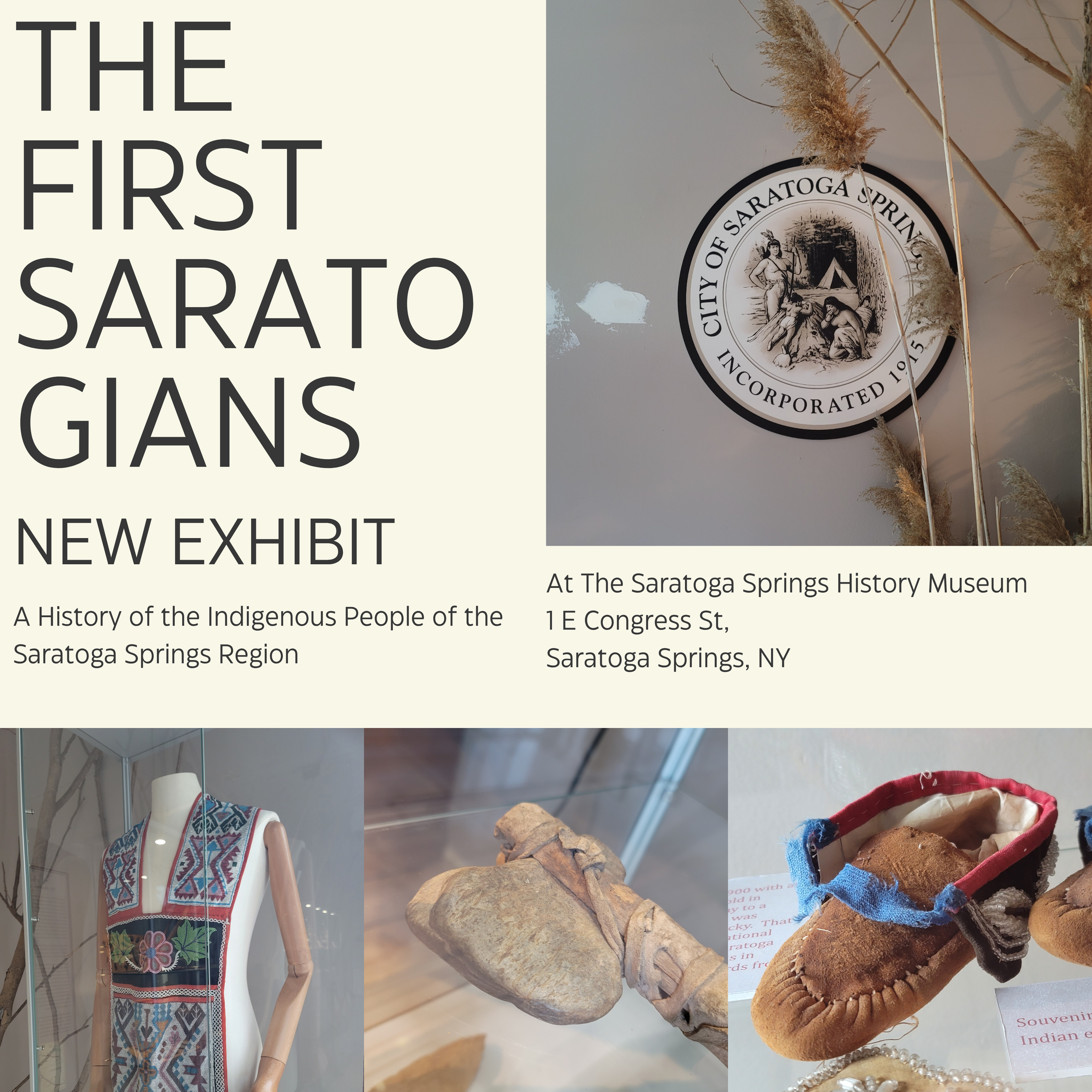
The Indigenous History of Saratoga Springs:
A Newly Reimagined Exhibit on the 3rd Floor
The Saratoga Springs History Museum has officially reopened its extensively updated Indigenous history exhibit, and it’s one of the most important—and thought-provoking—spaces in the entire building.
Now open daily and included with general admission, this reimagined exhibition invites visitors to look far beyond the familiar timelines of hotels, horse racing, and Victorian tourism, and instead step into a story that spans more than 10,000 years of human presence on this land.
Before Saratoga Springs was a resort, a health spa, or a destination, it was—and remains—Indigenous land.
10,000 Years of History in One Room
The exhibit focuses on the deep and ongoing histories of the Mohican, Mohawk, and Abenaki peoples—nations who lived in, traveled through, traded across, and held spiritual relationships to the place we now call Saratoga Springs.
Rather than treating Native history as a brief “prelude” before European settlement, the exhibit centers Indigenous voices and timelines:
The long, pre-contact presence of Native communities in the region
The role of Saratoga’s springs and waterways as sacred sites, gathering places, and trade routes
The impact of colonization, displacement, and changing borders
The persistence and adaptation of Native peoples into the 19th, 20th, and 21st centuries
“Visitors will come away with a deeper understanding of how Native Americans shaped this region, how they adapted through centuries of upheaval, and how their stories live on today,” said Museum Director James Parillo. “This update brings new scholarship, community voices, and previously unseen artifacts to the forefront.”
High Rock Spring and Other Sacred Places
One of the most striking elements of the updated exhibition is its expanded storytelling around High Rock Spring, a site that appears again and again in local history—and long before hotels and bathhouses.
The exhibit explores:
High Rock Spring as a sacred place for Native peoples, not just a mineral curiosity
How different nations understood and used the springs for ceremony, healing, and community
The transformation of the springs over time—from Indigenous site to tourist attraction to marketing image
For many visitors, this section reframes a familiar Saratoga landmark in an entirely new way.
Faces, Names, and Stories: Indigenous Leaders & Changemakers
History can feel abstract until it’s connected to real people. The exhibit brings forward in-depth profiles of Native leaders, artists, and changemakers, including:
Kateri Tekakwitha – a Mohawk woman whose life, faith, and legacy have been interpreted in very different ways over time
George Crum – the famed chef often credited with the invention of the potato chip, whose Native and African ancestry is central to his story and to Saratoga’s culinary lore
These profiles ground the exhibit in individual lives and choices, helping visitors see Indigenous presence not as a “distant past” but as a continuous thread running through local history.
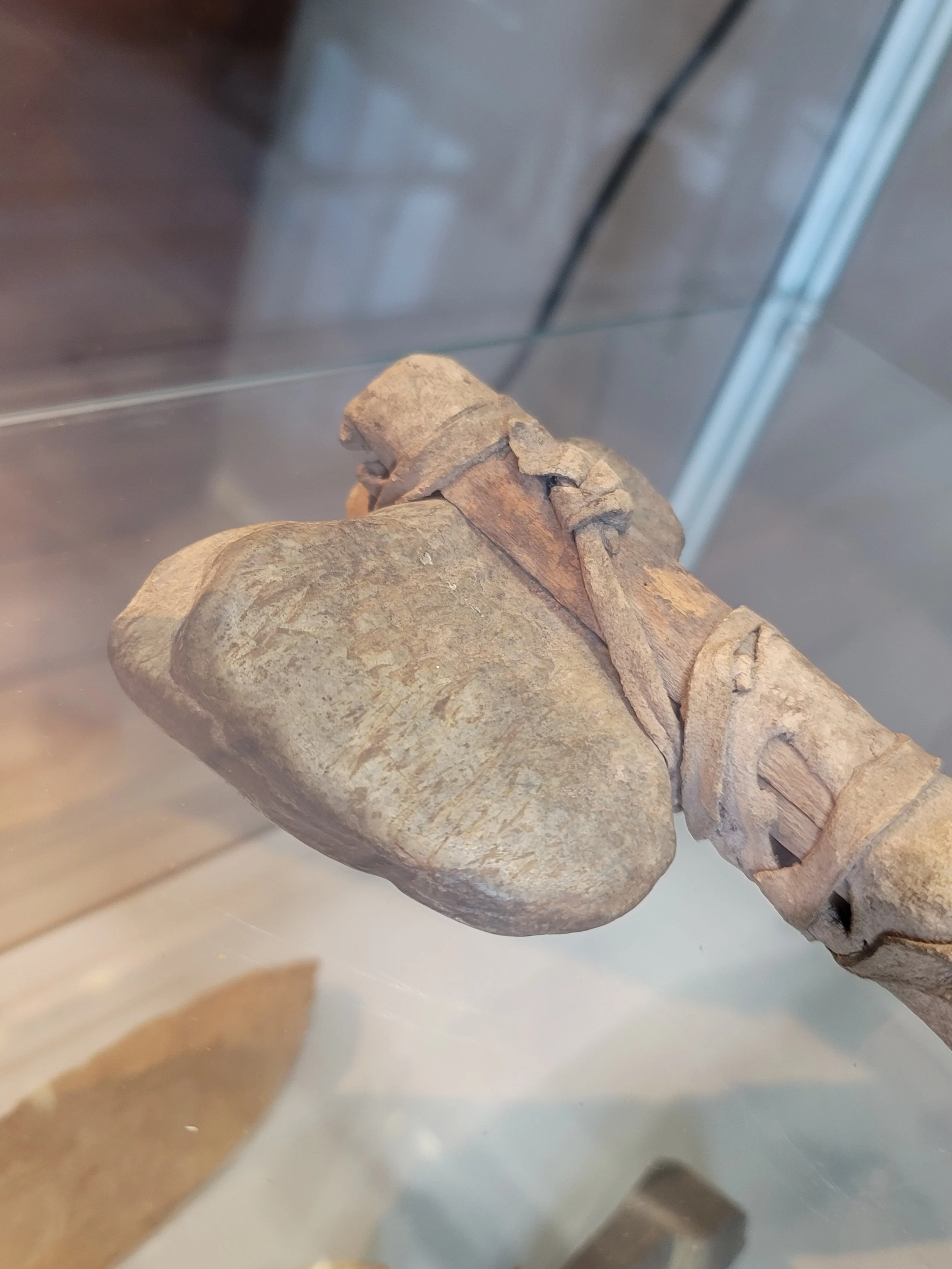
How Images Shape Memory: Art, Tourism, and Stereotypes
Another major component of the exhibition looks at how Native Americans have been pictured, marketed, and misrepresented over the last two centuries.
Through prints, advertisements, tourism materials, and local imagery, the exhibit asks:
How were Native peoples depicted to sell Saratoga as a destination?
What stereotypes were repeated in art, souvenirs, and promotional materials?
Which stories were highlighted—and which were ignored or erased?
This isn’t just about what was done elsewhere. The exhibition also turns the lens inward, offering a critical look at the city’s own use of Native imagery in symbols and branding. Visitors are encouraged to think about the difference between homage, stereotype, and appropriation—and how those lines have shifted (or not) over time.
Built with Native Input, Not Just About Native History
One of the most meaningful aspects of the updated exhibit is who helped shape it.
Rather than speaking only about Indigenous history, the museum worked with Native historians, educators, and cultural leaders, including Joseph Bruchac and the N’dakinna Education Center, to bring in:
Community perspectives
Nuanced interpretations
Correctives to older narratives
New ways of understanding place, language, and story
The result is an exhibit that feels less like a closed book and more like an ongoing conversation—one that acknowledges that Native communities are very much present today, not just in the past.
A Space for Reflection, Accuracy, and Respect
We live in a moment when communities across the country are re-examining whose histories have been emphasized, and whose have been minimized or distorted.
This exhibit was updated with that reality in mind.
It offers:
Historical accuracy grounded in current scholarship
Honest acknowledgment of dispossession, inequity, and erasure
Room for reflection, rather than easy answers
A starting point for further learning, listening, and dialogue
Whether you’re a lifelong Saratogian, a visitor curious about the land beneath the city, or an educator looking for more inclusive local history, this gallery provides a powerful entry point.
Plan Your Visit
📍 Location: 3rd Floor, Saratoga Springs History Museum
🏛 Included with regular museum admission
🕒 Open daily during standard museum hours
Next time you climb the stairs or take the elevator to the third floor, you won’t just be moving up a level—you’ll be stepping thousands of years back in time, into stories that still matter deeply today.
Come ready to look, listen, and perhaps see Saratoga Springs in a new light.